
How Nigeria’s Tax Reform Affects Forex Traders: What You Need to Know

Omotaje Emmanuel O.
28 December 20254 min read
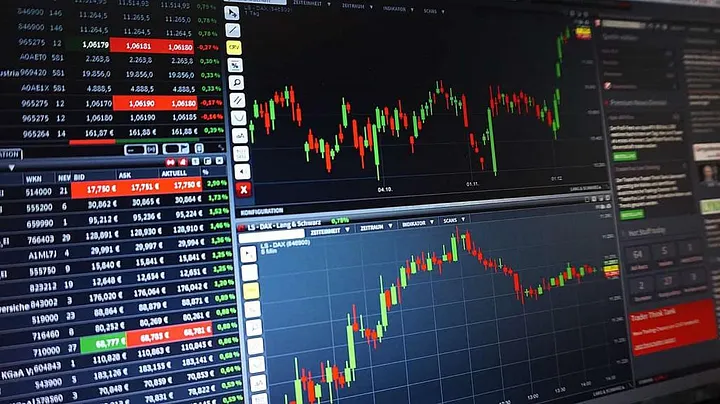
After months of debate, President Bola Ahmed Tinubu signed four comprehensive tax reform bills into law in 2025, fundamentally changing how Nigerians — including forex traders — will be taxed starting January 1, 2026. For thousands of Nigerians trading in foreign exchange markets daily, these changes represent significant shifts in the portion of their profits they retain and the compliance obligations they must meet.
The Old System: One Size Fits All
Under the previous tax regime, forex trading profits were classified as capital gains and taxed at a flat rate of 10%, regardless of the amount earned. Whether you made ₦500,000 or ₦50 million in forex profits, you paid the same 10% rate to the Federal Inland Revenue Service. This system was criticized for being unfavorable to small-scale traders, as it imposed the same flat rate on both beginners and wealthy professionals.
The New System: Progressive Taxation
The Nigerian Tax Act of 2025 fundamentally changes this by introducing progressive tax rates. Capital gains from forex trading will now be taxed according to the applicable personal income tax rate, which varies based on total annual income.
Here’s what changes:
Individuals earning ₦800,000 or less per annum will be fully exempt from tax on both their income and capital gains. This benefits small-scale traders and those just beginning their forex journey, who were previously at a disadvantage.
For those earning above this threshold, tax rates progressively increase up to 25% for high-income individuals — more than double the previous 10% rate. For companies engaged in foreign exchange trading, the capital gains tax rate has tripled from 10% to 30%, aligning with the standard corporate income tax rate.
Who Wins and Who Loses?
The Winners
Small-scale and beginner traders are the primary beneficiaries. If your total annual income, including forex profits, is below ₦800,000, you pay no tax.
Real-world example: A part-time trader earning ₦600,000 annually would have owed ₦60,000 under the previous system but now owes nothing — a complete exemption.
Lower- to middle-income traders will generally benefit as well, with progressive brackets ensuring that most pay less than the previous flat rate of 10%.
The Losers
However, high-income forex traders face significantly higher tax liabilities. Successful traders in the highest income brackets may pay up to 25% of their forex profits — a 150% increase from the previous rate. Corporate traders and proprietary trading firms experience the most severe impact, with rates tripling to 30%.
Your NIN Is Now Your Tax ID: No Escape
Here’s the game-changer: The FIRS has announced that your National Identification Number (NIN) now automatically serves as your Tax Identification Number (TIN). This means that if you have a NIN, you are already registered in the tax system and will be required to comply if you earn taxable income. For businesses, the CAC registration number serves this purpose.
This integration eliminates the previous obstacle of obtaining a separate Tax ID and ensures that profitable traders cannot evade taxation. The framework closes loopholes that previously allowed some traders to operate outside the formal tax system.
What You Must Do Now
Meticulous record-keeping has become essential. Traders must accurately track not only their forex profits but also their total annual income from all sources, as this determines their tax rate. Every deposit, withdrawal, trade, profit, or loss should be documented with timestamps and supporting evidence.
The accurate classification of forex profits as capital gains, rather than ordinary income, is essential. Misclassification can result in paying incorrect tax rates or incurring penalties.
Quarterly tax planning becomes increasingly important in a progressive tax system. Rather than waiting until the end of the year, successful traders should regularly calculate their year-to-date income and projected tax liability to avoid surprises when filing their annual returns.
Your 7-Step Compliance Checklist
Verify your Tax ID — Your NIN serves as your Tax ID; use it to access TaxPro-MAX
Maintain comprehensive records — Keep broker statements and profit/loss (P&L) reports
Calculate total income — Sum all income sources to determine your tax bracket
Apply the correct rate — Use the progressive rate applicable to your total income
File annual returns — Submit through TaxPro-MAX before deadlines
Pay your taxes — Use designated channels and retain payment confirmation
Store documentation — Keep all records for a minimum of six years
The reforms take effect on January 1, 2026, with no grace period for non-compliance. Begin now by organizing your trading records, determining your applicable tax bracket, and ensuring you can access TaxPro-MAX using your NIN. By understanding these changes and planning strategically, you can continue pursuing forex success while contributing your fair share to national development.
Important Note: Traders should verify current tax rates and consult tax professionals for their specific situations. Visit the FIRS website for official information and updates.
Have questions about the new tax reforms? Drop them in the comments below, and let’s discuss how these changes affect your trading strategy.
Enjoyed this story?
Tap to show the newsroom some love — you can clap as much as you like.